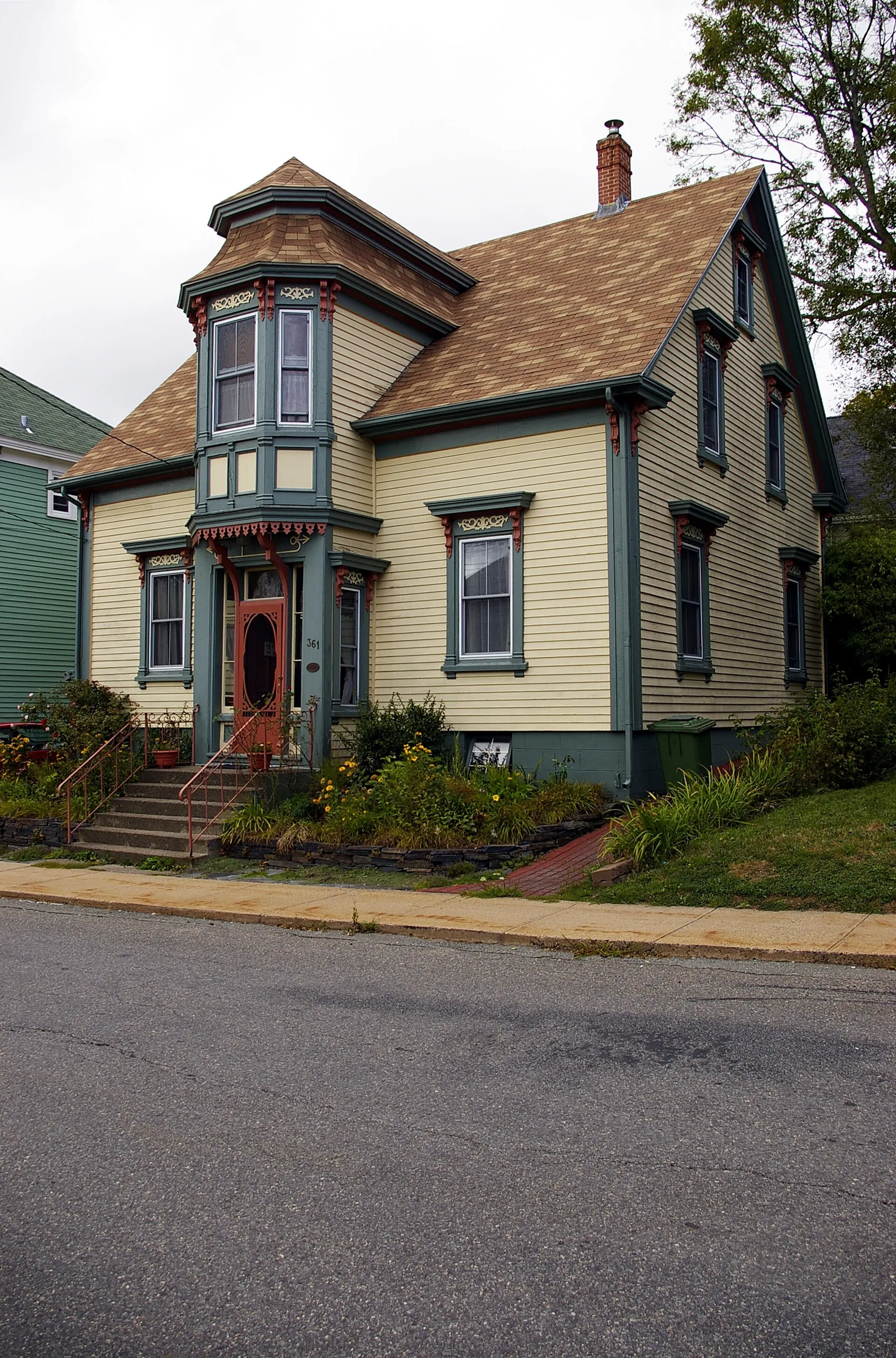
Most estate houses we see have not been sold in thirty or forty years. The roof is late, the furnace is original, the basement holds decades of storage, and the heirs live in different provinces. A cash sale will not be right for every estate, but it was built for exactly this kind of house.
Who can sell, and when
Only the executor named in the will (or an administrator appointed by the court if there is no will) can sign for the estate. In most provinces the land registry wants proof of that authority before it will transfer the title, which usually means a probate grant from the court. Some estates can transfer without probate, for example where the house was held in joint tenancy and simply passes to the surviving owner, but that is for your lawyer to confirm.
In practice this means you can talk to buyers, get offers and even sign an agreement while probate is underway, as long as the closing date leaves room for the grant to arrive. We are used to building that into the agreement.
Probate costs differ by province
What the court charges to probate an estate varies a great deal across Canada. Two examples from our provinces show the range:
- Ontario charges estate administration tax: nothing on the first $50,000 of the estate's value and $15 for every $1,000 above that, roughly 1.5%. On an estate worth $600,000 that is $8,250.
- Alberta charges a flat court fee based on the value of the estate, with a much lower ceiling than Ontario's tax.
The other provinces each have their own schedule. Your estate lawyer or the court office will give you the exact figure. It is paid by the estate, not by the buyer, and it is the same whether you list or sell to us.
When the family does not agree
Disagreement is the most common reason estate sales stall. One sibling wants to renovate and list, another wants it done by spring, a third wants to buy the others out. A written cash offer does not settle the argument, but it gives everyone a firm number to argue about. Some executors use it as the floor: if the listing route cannot beat it after repairs and commission, the decision makes itself. Our cash vs listing calculator helps lay the two side by side for the whole family.
The house, the contents and the condition
You do not need to clear the house, clean it or fix it before selling to us. Take the photographs, the furniture and the keepsakes the family wants, and leave everything else; dealing with it is already in our numbers. If the house has been empty, tell us how long and whether the heat was kept on: a winter without heat can mean burst pipes, and insurers often limit coverage on vacant homes.
Older estate homes often hide the problems covered in our problem houses guides: vermiculite in the attic, an oil tank, knob and tube wiring, a cracked foundation. None of them stop a sale to us.
Tax on the sale
When someone dies, the Canada Revenue Agency generally treats them as having sold their property at fair market value on the date of death. If the house was their principal residence, the principal residence exemption usually means no tax on that gain. If the value rises between death and the sale, the estate may owe tax on the increase. That is one reason executors often prefer not to let an estate house sit for a year. An accountant should look at the final return.
Province-specific wrinkles
In Nova Scotia, a parcel that has never been migrated to the land registration system must be converted when it is sold, which can take time on an old family property. In Newfoundland and Labrador, title is traced through the registry of deeds, so old informal transfers within a family can need sorting out. In Ontario, Alberta and the other land titles provinces, the executor's authority is usually the main item the registry wants. Your lawyer handles all of it; knowing it is coming helps you pick a realistic closing date.
Questions people ask
Can I sell the house before probate is granted?
Usually you can sign an agreement, but closing generally has to wait until the executor has the authority the land registry needs, which is often the probate grant. Your estate lawyer will tell you what your province's registry requires and set the closing date accordingly.
Do we have to empty the house first?
Not when you sell to us. Take what the family wants to keep, and leave the rest. Clearing it out is part of what our offer already accounts for.
Is there tax when an estate sells a house?
Possibly. When someone dies they are generally treated as having disposed of their property at fair market value. If the house was their principal residence, the principal residence exemption usually covers that gain. Any rise in value between the date of death and the sale can be taxable to the estate. An accountant can work out which applies.
Sources
Official pages we checked in November 2026. Rules change, so confirm with your lawyer before you rely on them.