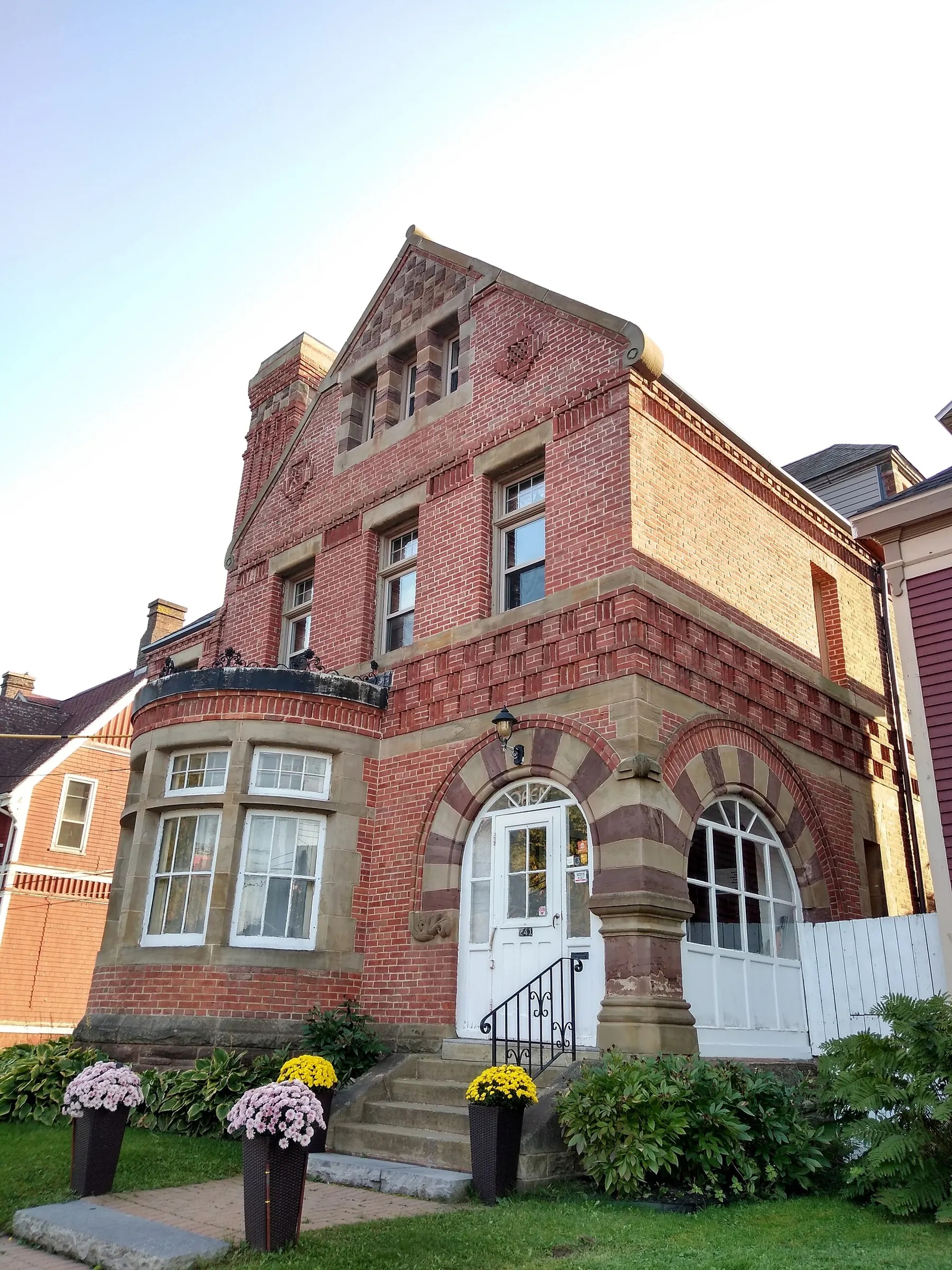
Prince Edward Island is a small market. A house that needs work can sit for a long time waiting for the one buyer who wants a project, while taxes, insurance and heating oil keep costing money. A cash offer cuts that wait short.
Cities and towns we buy in
We buy across the Island, most often in and around:
- Charlottetown
- Summerside
- Stratford
- Cornwall
- Montague
Rural houses within reach of these places are welcome too.
Closing costs on the Island
Prince Edward Island charges a real property transfer tax when a deed is registered, at 1% of the greater of the purchase price or the assessed value. The person registering the deed pays it, which in practice means the buyer. Buyers who qualify as first-time home buyers and will live in the house as their principal residence may have the tax waived, which can widen the pool of buyers for an entry-level house.
As a seller, you will normally pay your lawyer, the mortgage discharge, any prepayment penalty and the property tax adjustment. If you list, commission is negotiable and 15% HST is added to it.
Rules Island sellers should know
The Lands Protection Act
PEI limits how much land non-residents and corporations can hold. Under the Lands Protection Act, as explained by the Island Regulatory and Appeals Commission, a non-resident person or a corporation generally needs approval to acquire an aggregate land holding of more than 5 acres or more than 165 feet of shore frontage. For an ordinary house lot this rarely matters. For a rural property or anything on the water, it can decide who is able to buy, and how quickly.
Oil heat
Many Island homes still heat with oil, and the province regulates home heating tanks. A buyer, an insurer or a lender will ask about the tank's age and condition. Read our oil tank guide before you list or sell.
Missed payments
If you have fallen behind, act early. Whatever enforcement route your lender takes, a sale you control usually leaves you with more than one the lender controls. See behind on the mortgage.
Island houses we see most
Older farmhouses and town houses with stone or block foundations, original windows and oil furnaces. Charlottetown brick and frame houses from the late 1800s. Estate houses where the family lives off-Island. We buy them as they stand.
When listing is the better PEI choice
A well-kept home in Charlottetown or Stratford can sell well with an agent, especially to first-time buyers who pay no transfer tax. If that is your house and you have time, list it. A cash sale is for the house that would otherwise sit, or the seller who cannot wait.
Questions people ask
Who pays PEI's real property transfer tax?
It is charged when the deed is registered, at 1% of the greater of the price or the assessed value, so in practice the buyer pays it. Buyers who qualify as first-time home buyers may have it waived.
Does the Lands Protection Act affect my sale?
It can if your property is large or on the shore. Non-residents and corporations generally need approval to acquire land holdings over 5 acres or with more than 165 feet of shore frontage. Most town houses are well under that, but cottages and rural properties may not be.
Do you buy cottages on the Island?
We focus on houses people live in. If a seasonal property is winterized and accessible year-round, tell us about it and we will say honestly whether it fits.
Sources
Official pages we checked in November 2026. Rules change, so confirm with your lawyer before you rely on them.